Original Uses of Bending Machines in Current Manufacturing
Within the constantly changing realm of fabrication, brake presses stand out as one of the most versatile and essential instruments for shaping metal. These machines allow fabricators to create accurate bends and folds, transforming flat sheets of metal into intricate parts used in multiple industries, from auto to aviation. As manufacturers look for ways to enhance productivity and accuracy, the advent of advanced technologies has introduced innovative applications of brake presses, transforming traditional methods.
Among the significant developments are the tandem brake press and the CNC press brake machine, each offering unique advantages. Tandem brake presses enable the processing of bigger and thicker materials by synchronizing the operation of a pair of machines at the same time, ensuring reliable accuracy over long spans. On the other hand, CNC press brake machines have revolutionized the industry with their automated systems, allowing for intricate designs to be crafted with extraordinary accuracy. As we explore further into these creative applications, it becomes evident that the capabilities of brake presses extend far beyond mere bending, opening new paths for innovation in modern manufacturing.
Understanding Dual Stamping Brakes
Tandem press brakes are advanced machines designed to improve the bending process in metallic fabrication. By using two or more press brake devices functioning in unison, these devices can manage larger and more complex parts than standard single-unit press brakes. This feature allows for improved efficiency and accuracy in bending operations, making it an excellent solution for producers who regularly work with oversized or detailed designs.
In a dual configuration, each press machine functions autonomously, but they are synchronized to ensure consistent bending across the workpiece being processed. This coordinated operation is important for maintaining consistency in the finished product, reducing the risk of flaws that could occur from inconsistent bending. Producers can reach remarkable accuracy and repeatability, which is critical when producing parts that must fit seamlessly together.
The versatility of dual press brakes also permits fabricators to broaden their abilities. By integrating automation and CNC technology, producers can streamline their processes, minimize manual labor, and enhance overall efficiency. As the need for sophisticated metal components continues to grow, tandem press machines are emerging as an essential tool in modern fabrication environments, providing both flexibility and enhanced operational efficiency.
Benefits of CNC Press Brake Machines
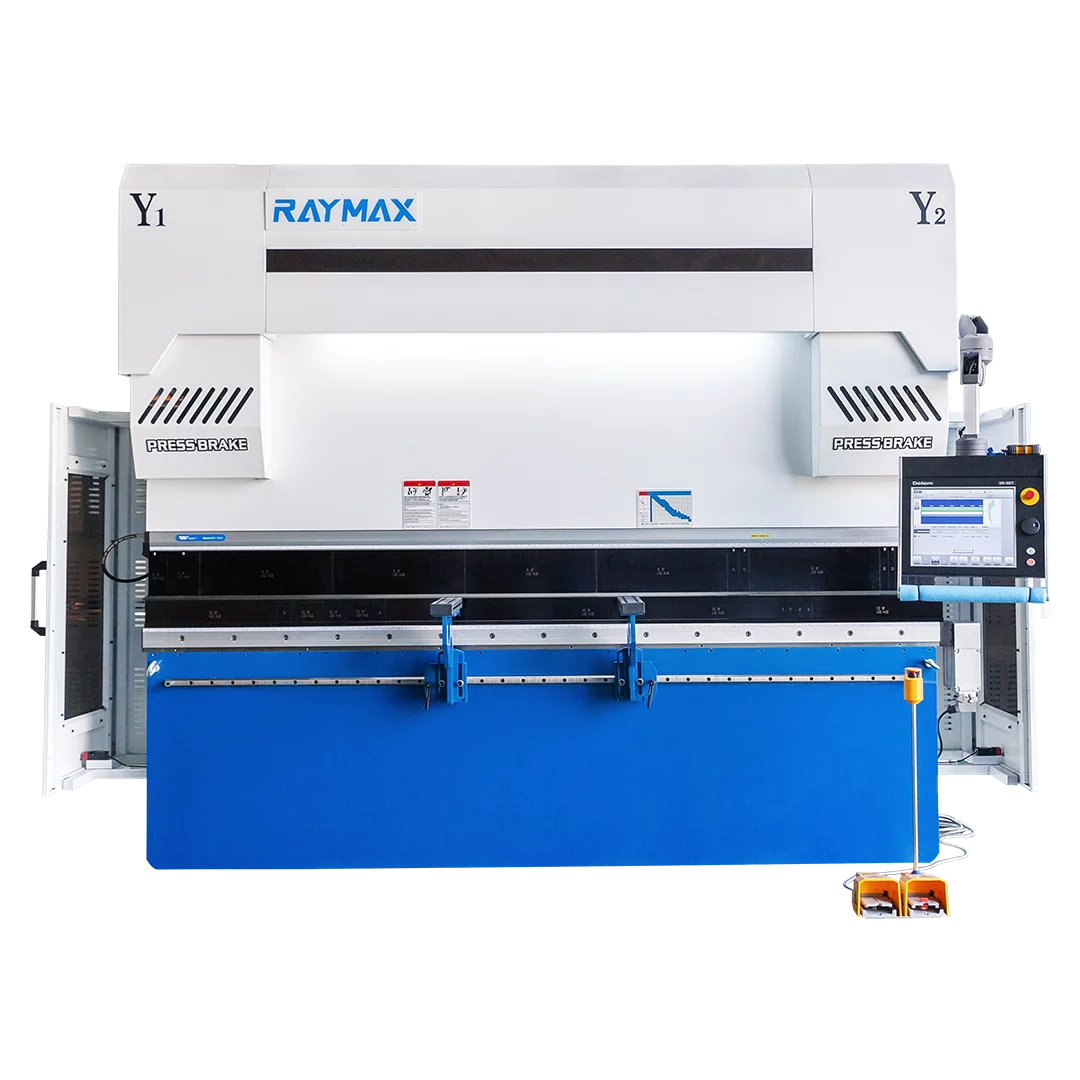
Automated bending machines offer exactness and reliability that are superior in the manufacturing industry. With CNC technology, these machines are configured to execute complex bending operations with high accuracy. This reduces the margin for error and allows manufacturers to produce products that meet strict tolerances, ensuring that each part fits accurately within the overall assembly. The ability to reproduce the same bend over and over enhances production effectiveness and minimizes waste.
Another significant advantage of CNC press brake machines is their adaptability. They can handle a broad range of substrates and thicknesses, making them suitable for multiple applications, from automobile to space and beyond. The ability to set different bending angles and dimensions allows fabricators to adapt quickly to evolving designs or buyer requirements. This flexibility not only saves time but also enables manufacturers to take on more projects, growing their market reach.
Additionally, CNC press brake machines often come equipped with innovative features such as auto tool changers and integration with CAD/CAM software. These capabilities enhance the manufacturing process and reduce setup times, allowing for a more productive workflow. Operators can quickly move between jobs and implement changes with ease, enhancing productivity and allowing businesses to meet larger orders with reduced lead times. The automation involved in CNC systems also helps in minimizing labor costs and improving workplace safety by minimizing manual handling.
Novel Applications in Fabrication
The adaptability of press brakes has opened up a wide array of creative applications in current fabrication. Industries ranging from automotive to aerospace are utilizing advanced press brake technologies to produce complex components that were once hard to produce. For instance, the integration of CNC press brake machines allows for exact bends and folds in materials such as aluminum and steel, allowing manufacturers to achieve complex geometries that improve both functionality and aesthetics in their designs.
Tandem press brakes are particularly remarkable for their ability to handle big projects with remarkable accuracy. By utilizing https://www.raymaxpress.com/category/products/press-brake/ or more machines in tandem, fabricators can handle longer sheets of material without jeopardizing precision or edge quality. This technique not only optimizes production but also significantly reduces lead times, allowing businesses to meet strict deadlines while preserving high standards of craftsmanship.
Additionally, innovative applications of press brakes extend to tailored tooling and automation solutions that further boost productivity. Fabricators are increasingly integrating robotic systems that work in conjunction with press brakes, mechanizing the loading and unloading of materials. This synergy improves operational efficiency and minimizes human error, ultimately leading to higher-quality finished products that satisfy the demands of the competitive fabrication landscape.